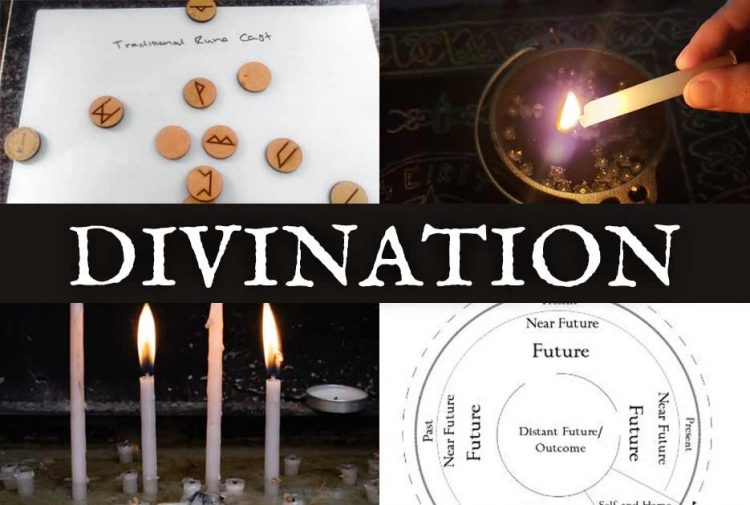
Divination is a way of pausing, asking a sincere question, and noticing the symbols, feelings, or patterns that arise. It does not require you to predict a fixed future. Instead, it can help you reflect, find language for what you already sense, and choose your next step with care.
There is no single right method. Tarot, runes, pendulums, tea leaves, candle wax, geomancy, and many older folk practices each offer a different conversation with intuition. Begin with the method that feels inviting, and let your practical judgment remain part of every reading.
In This Guide
- What divination can be
- How to choose a divination method
- Popular divination methods for beginners
- Traditional and little-known methods
- A simple first practice
- Keeping a divination journal
- More resources
What Is Divination?
Think of divination as a reflective practice. You bring a question, a method gives you symbols to consider, and you decide what is meaningful in the context of your real life. A reading is most helpful when it leaves you more grounded, curious, and able to make an informed choice.
Try beginning with open questions: “What do I need to understand about this situation?”, “What am I overlooking?”, or “What small action would support me now?” Questions that demand certainty can make any method feel pressured. Leave room for your own judgment, practical information, and consent.
Choose a Method That Suits Your Question
| If you want… | Begin with… | Why it may fit |
|---|---|---|
| A story with many layers | Tarot | Cards offer imagery, archetypes, and spread positions. |
| A short symbolic prompt | Runes | A simple cast can make focused reflection feel manageable. |
| A practical yes-or-no check | Pendulum work | Clear wording can make it useful for small, grounded questions. |
| A quiet, sensory ritual | Tea leaves or candle wax | These methods invite slow observation and journaling. |
| A traditional symbolic system | Geomancy | It offers patterns and figures for people who enjoy a structured method. |
You do not need every tool. Choose one method, use it gently for a few weeks, and notice whether it helps you build a steadier relationship with your own intuition.
Popular Divination Methods for Beginners

Tarot: Stories and Symbols
Tarot is a wonderful place to begin if you enjoy pictures, stories, and prompts that can hold more than one meaning. Start with a one-card draw: look at the image, name what stands out, and write one practical way to work with that message today.
Explore Tarot Spreads & Rituals, use the Printable Tarot Deck, or follow The Whole Tarot: Online Course for a more structured path.
Want to test what you have learned? Take the How Well Do You Know Tarot? Quiz.

Runes: Concise Symbols and Casts
Runes can be a beautiful choice when you prefer a concise symbol over a full card spread. Begin by learning a little history and choosing a simple cast, such as drawing one rune for reflection or three runes for past, present, and possibility.
Read Introduction to the Runes, then continue with the Casting Runes course if this practice becomes part of your regular path.

Pendulum Work: Clear Questions
A pendulum is most useful when your question is specific, practical, and not loaded with fear. First establish what “yes,” “no,” and “not now” look like for your pendulum. Then ask one question at a time.
Start with How to Program a Pendulum for Divination Work. For clearer prompts, read Questions to Ask a Pendulum and Making and Using a Pendulum Chart.
Tea Leaves, Candle Wax, and Geomancy
These methods are especially lovely if you enjoy ritual, texture, and noticing patterns slowly. Tea-leaf reading observes the shapes left in a cup after tea, while candle wax reading focuses on forms that appear after a candle ritual. Practice candle safety and never leave a flame unattended.
Geomancy offers a more formal, pattern-based tradition. Choose the practice that feels calm and sustainable: a simple cup of tea and five minutes of writing can be enough.
Traditional Divination Methods
Many divination practices have long histories in folk magic, religious traditions, and everyday life. The following methods are less commonly used today, but they show the extraordinary variety of ways people have looked for signs and meaning.
Geomancy
Geomancy is an ancient method of divination. It originated from Arabic practices and has been used for centuries in various cultures. Despite its ancient roots, geomancy has seen a resurgence among modern practitioners of esoteric and occult traditions. This Introduction to Geomancy explores the process of creating and interpreting geomantic figures.

Cromniomancy: Divination with Onions
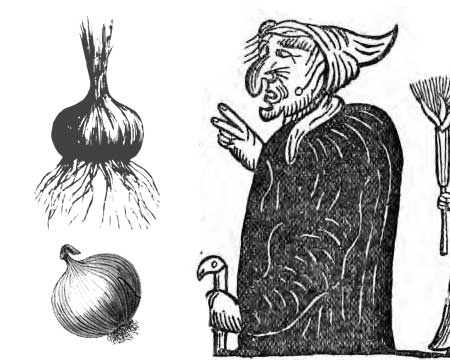
Cromniomancy is a method of learning more about a situation through onion sprouts. Inscribe a person’s name on an onion and leave it on the altar. If the onion grows quickly, it is taken as a sign of improvement, health, and happiness. In the past, young women also used this technique to find out who might become a long-term love partner.

Ornithomancy and Corvidomancy
Ornithomancy is the practice of interpreting messages from birds. It was mentioned in the Bible and used by Romans to understand whether an omen was favorable or unfavorable. Signs were believed to appear through birds’ flights and songs. One example is corvidomancy, or the meanings people find in seeing crows.
Smoke, Nails, and Other Signs
Capnomancy predicts events by looking through smoke. Burn poppy or jasmine seeds on burning coals and observe the flame: a thin flame is considered a good omen, while other signs may invite you to think carefully about the situation at hand.
Onychomancy is a prediction tool in which oil is rubbed into the nails before they are exposed to sunlight. The symbols that appear on the nails indicate the nature of coming events; their position was traditionally used to suggest timing. Omphalomancy is a historical practice that used a newborn’s umbilical cord to predict how many children a mother might have in her lifetime.
Learn more: Cromniomancy, Capnomancy & Other Little-Known Divination Methods.
A Simple First Practice
- Choose one small question.
- Take three slow breaths and write the question down.
- Draw one card or rune, use a pendulum, or observe a symbol from your chosen ritual.
- Write what you notice before searching for a fixed meaning.
- End with one practical action you can take today.
The value is in returning to your notes later. Over time, you may notice recurring symbols, changes in your question, and the kind of method that truly supports you.
Keep a Record of What You Learn
Your Book of Shadows can hold spreads, rune casts, questions, observations, and follow-up notes. It does not need to be beautiful before you begin. A dated page with a question, a symbol, and a few honest sentences is enough. For ideas and printable pages, visit Start a Book of Shadows.
More Divination Resources
Cartomancy Divinations
- Tarot Cards (Printable Tarot Deck)
- Tarot Spreads & Rituals
- The Whole Tarot: Online Course
- Oracle Cards Info
- Fortune Telling with Regular Cards ♣♦♥♠
Other Divination Techniques
- Scrying Methods: Guide and Scrying Spell
- How to Use a Crystal Ball for Divination
- Divination with the Runes
- How to Use Dice for Divination
- Candle Flame Reading: Meanings and Methods
- Scrying with a Glass Marble
- Tasseography: Tea Leaf Divination
- Pendulum Board Spirit Work
Guidance for Better Readings
- Cross-Checking Divination Methods to Improve Readings
- Intuition, Psychism and Tarot
- How to Develop Intuition
- Types of Spells
Divination Oil Recipe
Dab a drop onto your third eye or use it to anoint candles for meditation and divination work to help enhance your natural psychic powers. Use it in a spell for clarity or spiritual growth.