Deity work is one way some Pagans, Wiccans, polytheists, and witches build a spiritual practice, but it is not a requirement for witchcraft. People approach gods and goddesses in different ways: through worship, prayer, offerings, devotional acts, ritual, study, meditation, or a relationship rooted in a particular religious tradition.
This guide is the starting point for deity work on Spells8. Use it to understand the basics, research a deity respectfully, explore signs and discernment, create offerings or an altar, and continue into individual deity guides and devotionals.
Start here: What deity work means · Signs & discernment · Altars & offerings · Rituals & holidays · Explore deities
What Does “Deity Work” Mean?
“Deity work” is a modern umbrella term, not one universal religious practice. Depending on the person and tradition, it can include prayer, devotional acts, offerings, altar or shrine tending, studying myths and hymns, observing festivals, meditation, ritual, or magical work connected with a deity.
Worship, devotion, and “working with” a deity are related ideas, but they are not always identical. A Wiccan may approach the divine differently from a reconstructionist polytheist, an eclectic Pagan, or someone exploring deity symbolism within witchcraft. Begin by learning the historical and cultural context of the deity rather than assuming every pantheon follows the same rules.

What Deities are Worshiped in Paganism?
The way an individual practices Paganism is unique to their own beliefs. The same can be said for the deities one believes in. Perception of the divine can only be discovered by looking deep within oneself and determining what makes the most sense to you.
Some Pagans may worship a single God, like in the monotheistic religions of the west. Others may find they believe in multiple gods, like the polytheistic religions of ancient Greeks, Romans, and Egyptians. Some Pagans see the divine as a split between the masculine and feminine — a duotheistic divide between a God and a Goddess — while others believe in an overarching all-in-one creator.
You will find very distinct interpretations of Paganism in all practicing witches, and not all witches are practicing Pagans. Though some views are more popular than others, most of them have a deity or deities that can be worshiped in many different ways.

Worshiping a Goddess or God
Before deciphering the best way to worship your deities, it is important that you find a path that feels right to you. This path can, of course, evolve as you continue your spiritual journey. However, it’s always a good idea to start out somewhere that you feel comfortable.
Next, it’s time to do a bit of research and get to know your gods and goddesses better. This will help you determine the most appropriate methods of worship.
Most deities have quite a bit of history and mythology behind them. For example, if you decide to honor the deities within the ancient Greek religion, it helps to read up on the many stories of these gods. Each of them represents a mastery over different significant parts of the world and life. If you wish to perform an honoring ritual with the intention of abundance, you may choose to honor Plutus, the Greek God of Wealth.

It may also help to read up on the history of the gods to learn how citizens in certain traditions originally worshiped them. You don’t need to copy exactly what they did, but it could help you create rituals that feel more authentic to you.
Design Your Worship Around a Deity
Every deity is different. Once you learn more about them during your research, you will be better equipped to answer the question of how to worship them. You should worship your gods and goddesses with things you believe they would like. You can design your usual deity worship practices around what you know about the deity you are choosing to worship.
For example, say you decide to worship the Egyptian Goddess Isis. She is a Goddess of healing, magick , fertility, motherhood, rebirth, and death. In ancient Egyptian times, people commonly worshiped her by creating shrines in their houses, conducting ritual baths, tending to a garden in her name, and more. You can choose to partake in these ancient practices or they may inspire you to design your own contemporary ones.

You may also choose to perform a ritual in her name. Because her essence is said to be in anything green from nature, it might be a good idea to have something from outside in your ritual. Other common offerings to Isis include red roses, perfumes, wine, candy, and more.
There is no single method that applies to every deity or every Pagan path. Personal practice matters, but it is not context-free: learn what is known about the deity, the tradition they come from, and whether a practice belongs to a living or culturally specific religion before adapting it. Personal devotion can be creative while still being informed and respectful.
Signs, Intuition & Discernment
Dreams, repeated symbols, unusual coincidences, animals, names, or strong intuitive impressions can feel meaningful when you are exploring deity work. They can also have ordinary explanations. Discernment means staying curious without treating every coincidence as proof that a deity is contacting you.
If this is the question bringing you here, continue with How Does a Goddess Choose You? Signs a Deity is Calling. Use signs as one piece of reflection alongside research, context, and your own judgment.
Altars, Shrines & Offerings
An altar or shrine can give devotional practice a physical home, but it does not need to be elaborate. Offerings can be material, such as food, flowers, incense, water, candles, or objects connected with a deity, or devotional actions such as prayer, study, music, art, service, or caring for a place associated with the deity’s values.
For the practical details, including altar versus shrine, choosing a location, offerings, and maintaining a devotional space, see Deity Altars: Prayer and Offerings at Home. You can also browse the Deities & Devotionals Printables.
Rituals and Holidays
While researching the deity you want to worship, it is probable that you will happen across specific rituals and holidays that already exist in the tradition. Looking into these is a great way to learn more about the deity as well as explore ways to continue honoring them.
You may choose to take these holidays and celebrations and make them a part of your life. It’s never a bad idea to throw another celebration into your year.
Interestingly enough, many different spiritual and religious traditions have a sort of continuity between the holidays they celebrate. You may find some similarities between holidays you’ve never heard of and holidays you’ve practiced all your life.

For example, there is an ancient Roman holiday called Saturnalia that worships the agricultural god Saturn. Because the holiday occurs near the winter solstice, the celebrations are heavily associated with what we now call Christmas. In fact, many of the traditions stemmed from this ancient holiday.
While Christians celebrate Christmas in honor of Jesus Christ, many Pagans choose to celebrate Saturnalia in honor of the winter solstice and the changing seasons. Most ancient holidays are open to your own interpretation and can be celebrated according to your beliefs while keeping cultural context in mind.
Respect, Boundaries & Cultural Context
Respect in deity work includes more than sincerity. Distinguish your personal experiences and interpretations from historical fact, learn from reliable sources when possible, and be cautious about borrowing practices from living or culturally restricted traditions without understanding their boundaries.
Whatever form of worship you conduct, it is most important to remain respectful of your deities and the relationship you have formed with them. Anything divine deserves a degree of respect and admiration.
Keep the connection between you and your deities sacred. Uphold the vows you make and the intentions you cast. Enter into these relationships with love and an open mind. Reinforce your bond by continuing to honor the deities most important to you.

You should also remain respectful of other people’s relationships with their deities. Because there is so much variation in which Pagan deities people honor, there is bound to be someone who worships different gods than you.
Avoid pressuring other people to adopt your beliefs or treating one personal relationship with a deity as the universal model. Different Pagan and polytheist traditions can make genuinely different theological claims and use different forms of worship.
Your own practice can be personal and evolving while still respecting the history, culture, and community around the deity you are approaching. It is also okay to decide that deity work is not part of your path.
See also: Approaching Deities – Reverence is Key
Explore Deities by Tradition & Practice
Use these collections to go deeper after learning the basics of deity work. Each one focuses on a particular tradition, Wiccan framework, or practical resource so you can continue with material that matches your path.
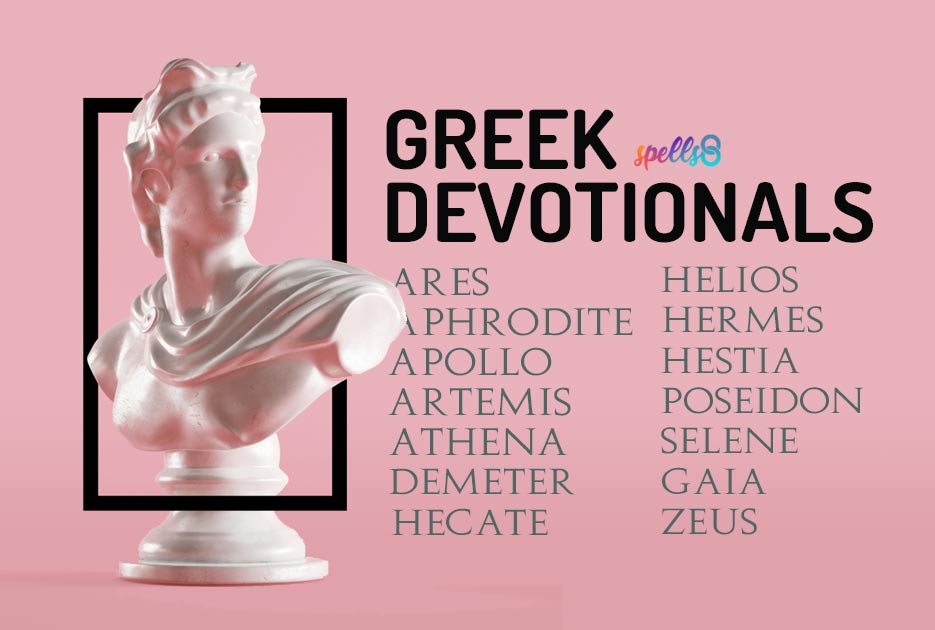
Greek Deity Devotionals
Explore prayers, devotionals, and individual guides for Greek gods and goddesses, with links into mythology, symbols, and devotional practice.
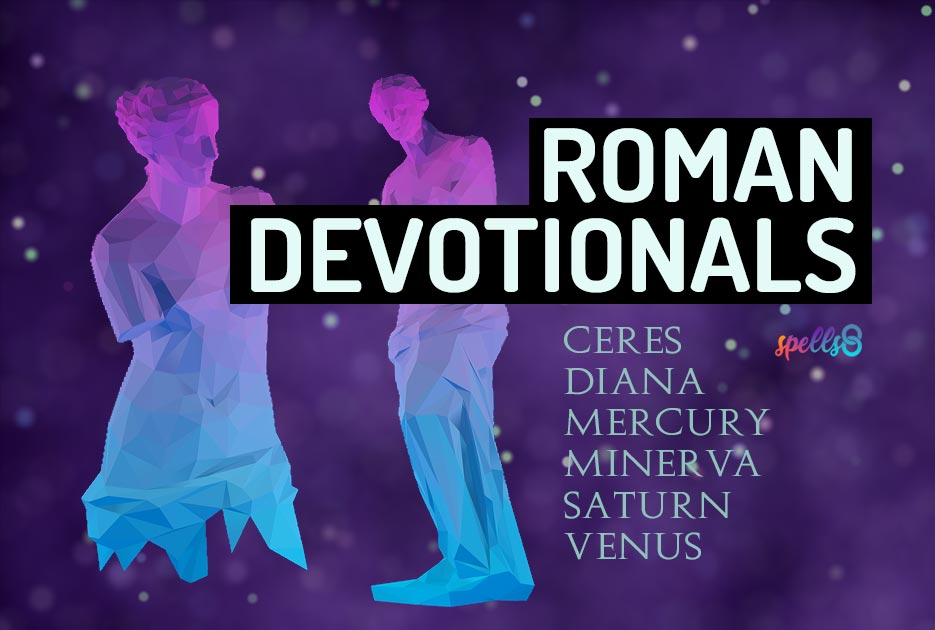
Roman Deity Devotionals
Browse devotional prayers and resources for Roman deities, including ways to learn their roles, symbols, and historical context.

Egyptian Deity Devotionals
Continue into Egyptian deities with prayers, devotionals, and individual guides for figures such as Isis, Bast, and other gods and goddesses.

Celtic Deity Devotionals
Explore devotional material connected with deities from Celtic traditions, including prayers and practices for figures such as Brighid and Cernunnos.

The Wiccan God & Goddess
Review the Wiccan Lord and Lady, the Triple Goddess, the Horned God, and how deity concepts fit within the Wicca Self-Initiation course.

Deities & Devotionals Printables
Browse printable deity pages, symbols, offerings, prayers, and devotional references designed for study, ritual planning, and your Book of Shadows.